Solo Quest Land
with Uqualla.
A vision quest is not a hike, a retreat, or a meditation intensive. It is a structured solitary encounter with nature and with yourself, held in a ceremonial container with experienced guides. It is one of the oldest rites of passage across human cultures, and one of the most consistently transformative experiences available to a contemporary person.
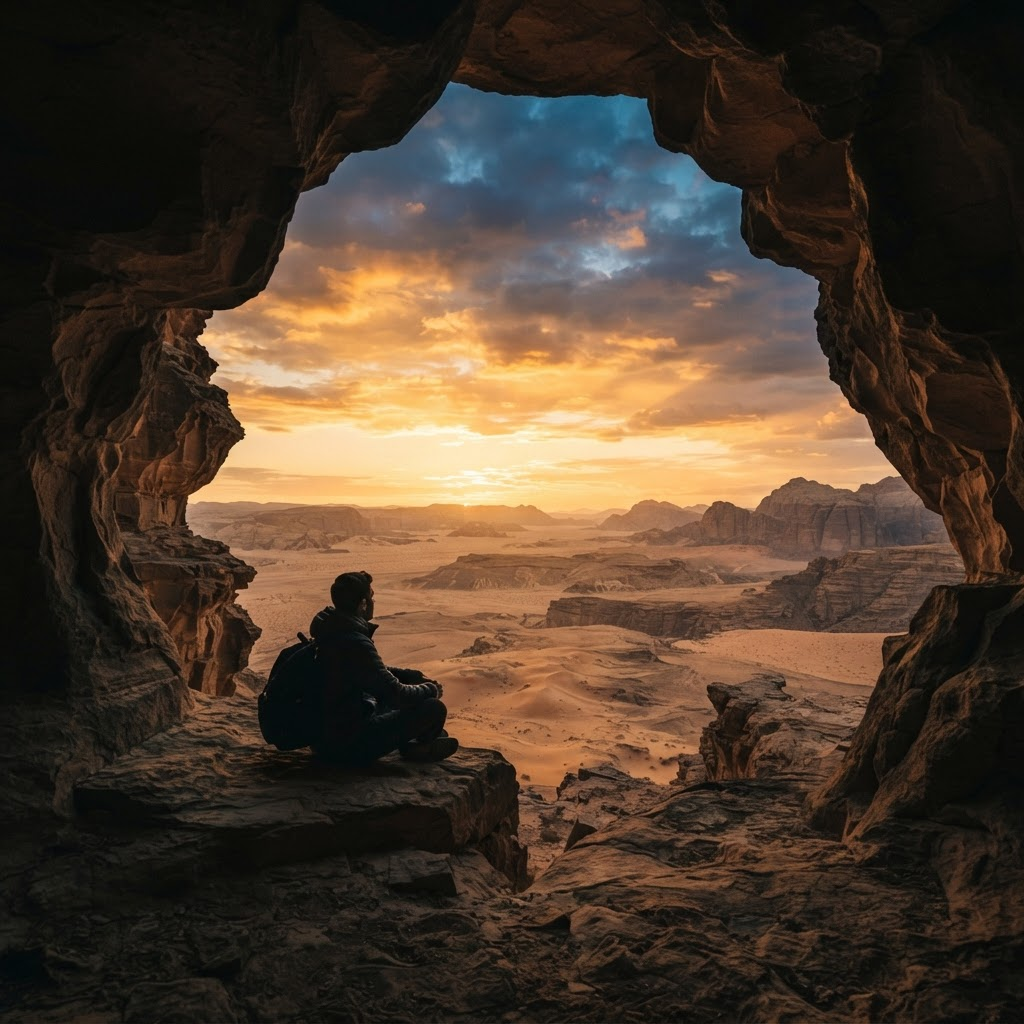
Following a ceremonial blessing and guiding question from Uqualla, guests are invited onto the land for a self-guided journey of reflection and discovery. Walking in silence and listening deeply, the quest becomes an opportunity to receive insight, clarity, and perspective from both the landscape and within. The land becomes the teacher.
- Duration
- 90 min
- Investment
- $383
- Location
- Sedona Arizona
- Booking
- Reserve by appointment
What you bring
to the threshold
shapes what you
receive.
A vision quest is not a hike, a retreat, or a meditation intensive. It is a structured solitary encounter with nature and with yourself, held in a ceremonial container with experienced guides. It is one of the oldest rites of passage across human cultures, and one of the most consistently transformative experiences available to a contemporary person.
The preparation is not administrative. It is the beginning of the quest itself — a process of clearing, orienting, and deepening your capacity to receive what the time alone will offer. Guests who enter a quest well-prepared are not simply safer; they access something qualitatively different from those who arrive unprepared.
The preparation sessions address the practical, the psychological, and the ceremonial dimensions of the quest. They take time, and they are worth it.
Preparation as part of the practice.
What you bring to the threshold shapes what you receive.
The psychological mechanism of a vision quest is not mystery — it is well-documented in the literature on solitude, nature exposure, and liminal experience. Extended solitude in a natural environment removes the social scaffolding that maintains ordinary identity, creating conditions in which deeper material becomes visible. The absence of distraction and the presence of a powerful landscape amplify this.
Ceremonial preparation activates these mechanisms more deeply than unstructured preparation. The act of setting a formal intention, of being seen by a community of support, of engaging in ritual that marks the crossing of a threshold — these are not superstition. They are technologies for directing attention and activating the psychological conditions that make transformation possible.
How to prepare
(it's simple).
The session works best when the body has room to receive it. A few small choices in the hours around your visit make a surprisingly large difference.
- COME WITH
- An honest account of where you are. Not a polished story — the actual truth of your life at this moment.
- ALLOW
- Multiple sessions if possible. Preparation takes time to deepen.
- AVOID
- The impulse to plan the quest itself. The preparation is about clearing the way, not managing the destination.
- AFTER EACH SESSION
- Journal. What emerged in the session will continue working if you give it space.
Frequently
asked
questions.
What is a vision quest?+
A vision quest is a period of solitude in nature — traditionally between one and four days — undertaken with a specific intention and a formal container of support. It is one of the oldest rites of passage across human cultures.
Is it physically safe?+
Yes, when properly prepared and supported. The preparation sessions address physical readiness as well as inner orientation. You will not be alone without a safety structure in place.
What if I am not sure I am ready?+
That uncertainty is worth exploring in the preparation sessions rather than resolving before you begin. Most people arrive unsure and leave knowing exactly what they needed to know.
People leave Solo Quest Land with Uqualla changed in ways they can feel but not always explain.
Preparation sessions for a vision quest — working with intention, threshold questions, and the inner orientation that determines what becomes possible during the quest itself.
Discover our
other offerings
Sound Experience
A private, one-on-one sound healing session — the full range of instruments, applied with complete attention to you alone.
Private Sound Healing in the Temple with Sonya
A sound healing session in Sonya’s private temple space — an environment built specifically for this work, where the acoustics, the objects, and the intention of the space itself become part of the session.
Ceremonial Tea
A private tea ceremony — the ancient practice of sitting with tea as a form of meditation, presence, and connection.
Stay curious.
Begin gently.
There is always another layer waiting to be discovered.